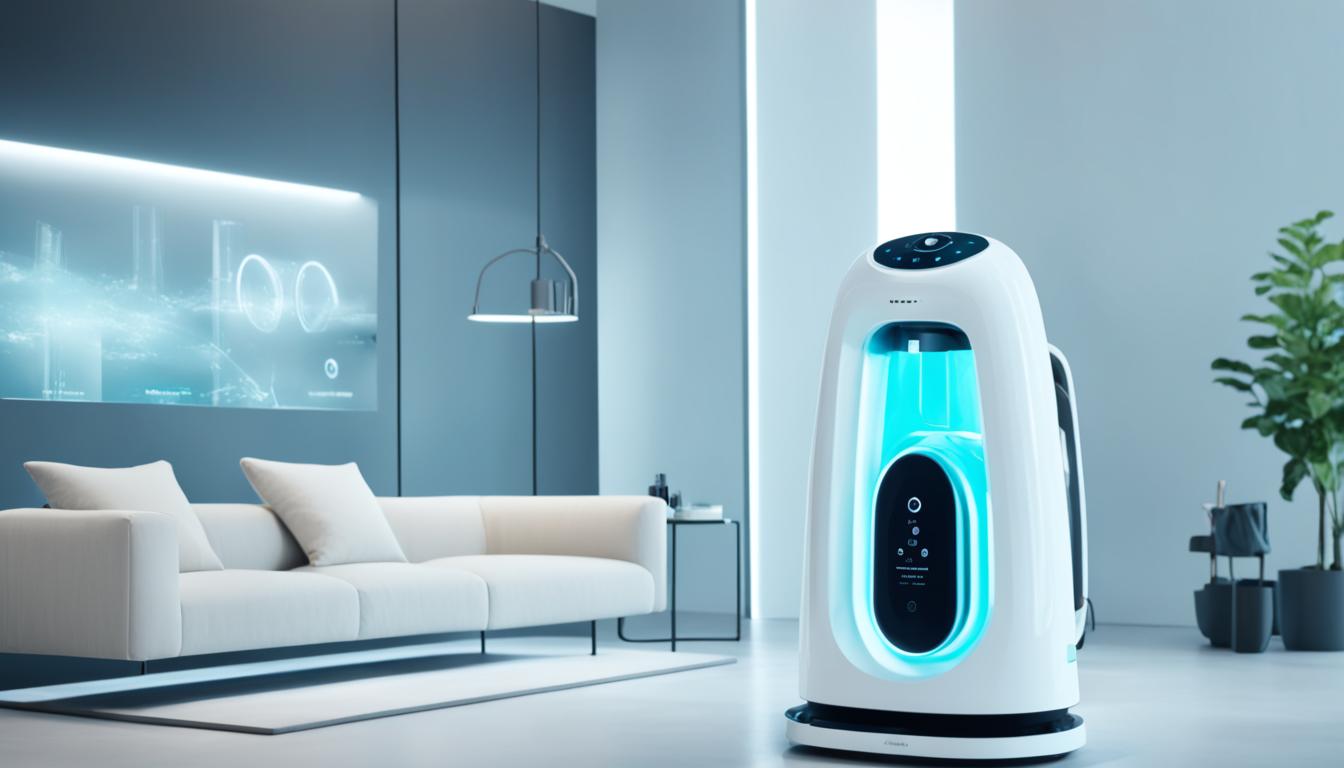
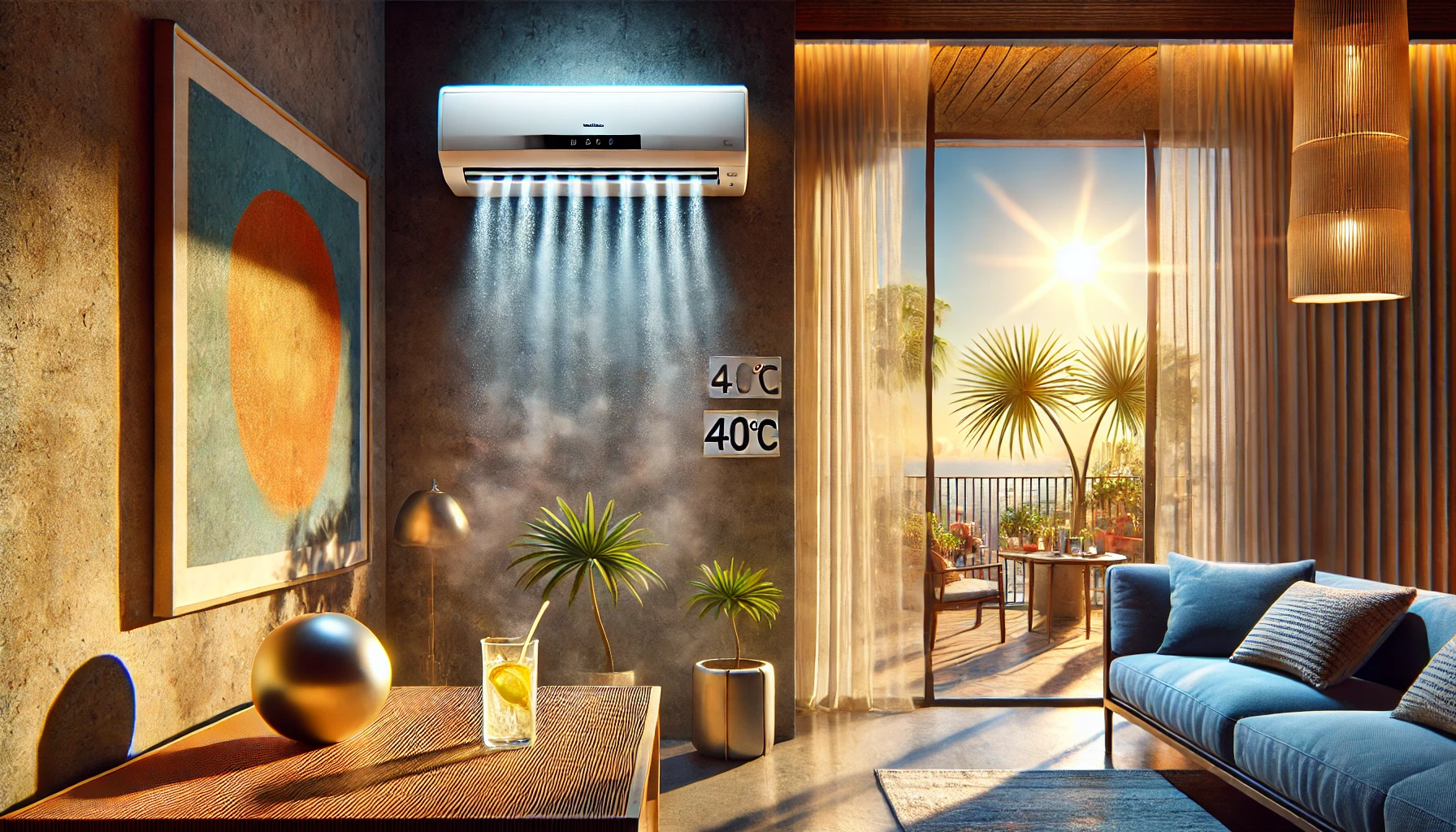
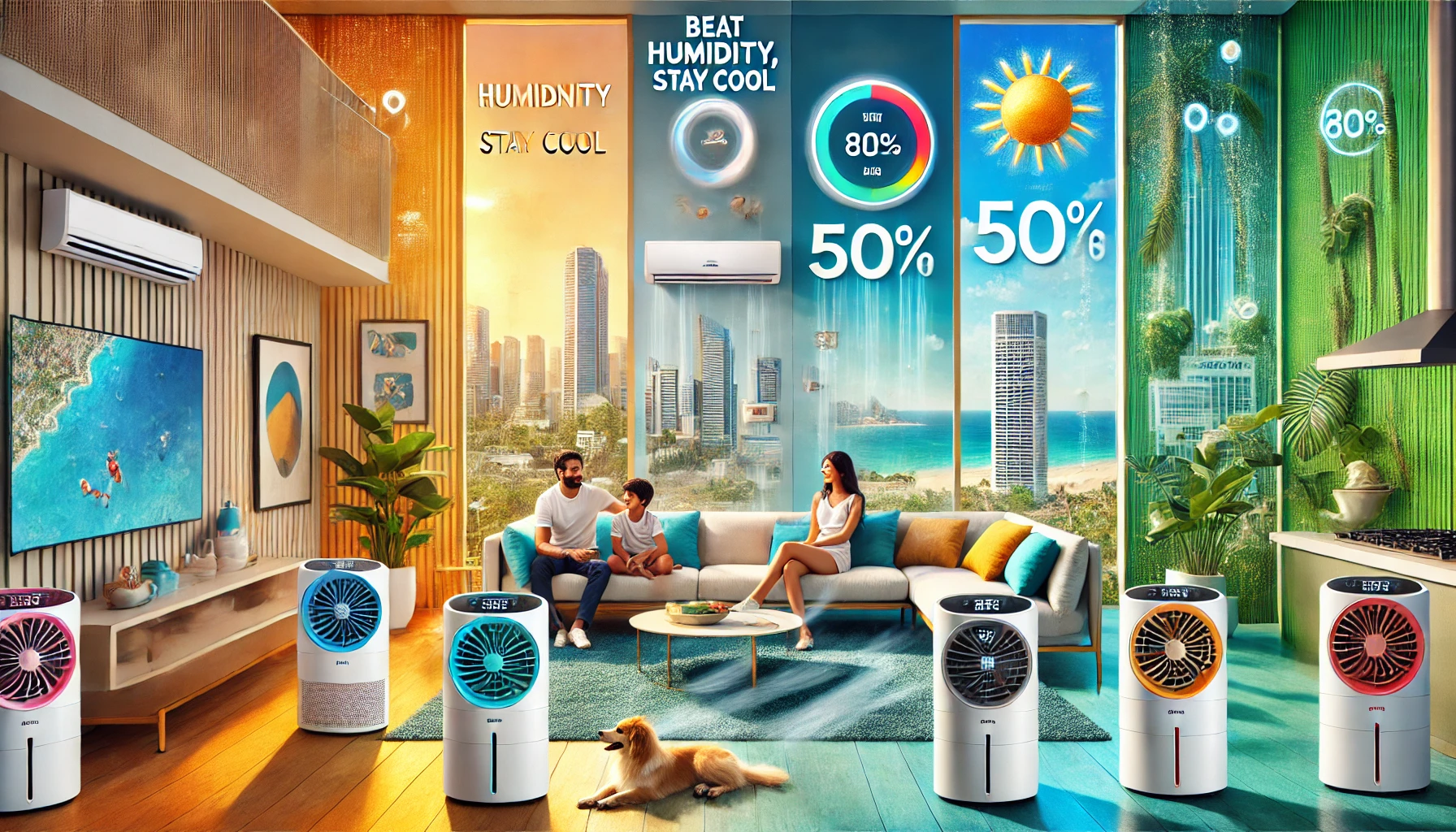
Living near the beach in Mumbai or Chennai feels like a dream until your electronics start dying. That refreshing sea breeze carries a hidden danger called salt fog. This corrosive mist can ruin your circuit boards and breed toxic mold in less than twenty four hours. You have to stop this silent attack before it costs you a fortune.

You might think your home is safe because you keep the windows closed. But salt air is tiny. It finds its way into your living room and settles on everything you own. This is why finding the Best Air Purifier for Coastal Areas in India is so different from buying one for a city like Delhi. In coastal zones, you are fighting a chemical mix of salt and high humidity.
Most standard devices are not built for this. They fail because they cannot handle the sticky dust that clogs filters in weeks. To protect your family and your expensive gadgets, you need a machine that can manage the coastal atmospheric matrix.
This guide is a key part of our master list of essential home gadgets where we show you how to build a healthy home in 2026.
⚡Quick Answer: Best Air Purifiers for Coastal Areas (2026)
| Category | Model | Key Tech | Coastal Rating |
| Best Overall | Sharp Plasmacluster (FP-J60M-W) | Plasmacluster Ion + Haze Mode | 5.0/5 |
| Best Tech | Daikin MC55XVM6 | Flash Streamer + Electrostatic HEPA | 4.9/5 |
| Best Maintenance | Coway Airmega 250 | Green Anti-Virus HEPA | 4.7/5 |
| Best Budget | Xiaomi Smart Air Purifier 4 | Negative Air Ionization | 4.0/5 |
Key Insight: After analyzing the “Coastal Atmospheric Matrix”—specifically the mix of 80% humidity and salt fog
—the table above highlights models with active ion technology and sealed motors. While standard fiberglass filters act like sponges and clog in 4 months, the top-rated Sharp and Daikin models use hydrophobic tech to resist moisture and prevent mold growth.
Why Standard Purifiers Fail Here
In coastal India, relative humidity (RH) fluctuates between 50% and 80% year-round. This creates three critical problems that generic models can’t handle:
- The Filtration Failure: Standard fiberglass HEPA filters get waterlogged in high humidity. This creates a pressure drop, forces the motor to overheat, and eventually destroys the device.
- The Sensor Trap: Salt accumulation on optical sensors causes “phantom” high readings. Your purifier runs on max speed unnecessarily, sucking in more corrosive salt air.
- The Mold Menace: Once humidity crosses 60%, mold spores germinate on your leather upholstery and expensive silk draperies.
The Solution: It’s Not Just About Cleaning Air
If you don’t control the moisture, no amount of filtration will stop the decay. You don’t just need a purifier; you need a defense system.
In this guide, we don’t list random models. We have analyzed 25 years of technical data to find machines with sealed motors, hydrophobic PTFE filters, and anti-fungal technology.
From hybrid systems like the Sharp DW series to heavy-duty Origin Novita models, we will show you exactly what works.
Ready to banish the mold and protect your investments? Let’s dive in.
Why Coastal Homes Need Special Air Purifiers

Most people think air purifiers are only for the smog in Delhi. You might look at the blue sky in Mumbai or Chennai and think the air is clean. But here is the truth.
Coastal cities have a unique problem that is invisible. It is not just about smoke. It is about a chemical cocktail called the “Coastal Atmospheric Matrix”. This mix of high humidity and salt creates aggressive stressors that normal air purifiers cannot handle.
If you live near the coast, here is why you need a specialized device.
1. The “Sticky Dust” Phenomenon
In dry cities like Bangalore or Pune, dust is loose and light. But in coastal areas, the humidity is often between 50% and 80%. This moisture turns ordinary dust into a sticky paste.
When this heavy paste hits a standard HEPA filter, it does not just sit on top. It clogs the pores immediately.
- Reduced Lifespan: A purifier that lasts 12 months in a dry city might choke and fail in just 4 months in a place like Bandra.
- Motor Strain: As the filter gets clogged with damp dust, the air cannot pass through. This forces the fan motor to work harder and reduces the clean air delivery rate.
2. The Problem of Salt Corrosion
Ocean winds carry microscopic salt particles known as salt fog. These particles travel through your ventilation and settle inside your home.
Salt is hygroscopic, which means it attracts water from the air. This creates a micro environment of moisture on metal surfaces, leading to two major issues:
- Component Damage: The mixture of salt and water accelerates rust and oxidation on sensitive internal components.
- Sensor Drift: Most air purifiers use optical sensors to read air quality. Salt crystals can cloud these lenses or accumulate on the sensor apertures. This causes “phantom” high readings, where your purifier thinks the air is dirty when it is not.
3. The Humidity and Mold Nexus
This is perhaps the most dangerous issue for your health. Coastal humidity often stays above the 60% threshold.
- The Breeding Ground: Standard HEPA filters are made of glass fibers that can get waterlogged in humid air. When dust is trapped in a damp filter, it becomes perfect food for mold.
- Releasing Spores: Instead of cleaning the air, a damp filter can start blowing millions of mold spores back into your room. This can make your house smell like a wet gym bag and cause health issues.
To solve this, you cannot just buy any machine. You need the Best Air Purifier for Coastal Areas in India that uses active remediation or mechanical filtration designed to resist moisture.
Key Differences Between Inland and Coastal Air
| Feature | Inland Air (e.g. Delhi) | Coastal Air (e.g. Mumbai) |
| Primary Pollutant | Dry Particulate Matter | Salt Aerosols and Sticky Dust |
| Humidity Level | Low to Moderate | High (50% to 80%) |
| Filter Risk | Clogging from dry dust | Waterlogging and Mold Growth |
| Sensor Risk | Dust accumulation | Salt corrosion and Phantom Readings |
Pro Tip: If you live within 100 miles of the coast, standard purifiers are at risk of “sensor drift” due to salt residue.
Top 7 Best Air Purifiers for Coastal India (2026)
Here is the truth.
Most product lists you see online are just copying specs from Amazon. They don’t test these machines in 80% humidity. They don’t account for “salt fog” or the sticky dust that clogs filters in weeks.
I have analyzed the top models available in India specifically for the Coastal Atmospheric Matrix. We are looking for sealed motors, active mold-killing tech, and filters that don’t turn into sponges.
Here are the 7 best air purifiers that actually work in coastal homes.
1. Sharp Plasmacluster (FP-J60M-W) – Best Overall for Coastal Homes
Rating: ⭐⭐⭐⭐⭐ (5/5)
If you live in Mumbai, Chennai, or Kochi, this is the gold standard. Period.
While other brands just trap dust, Sharp actively hunts down the mold spores that thrive in your humid apartment.
- Why it wins: It uses patented Plasmacluster Ion Technology. This releases positive and negative ions that attach to mold spores and bacteria floating in your room, breaking them down instantly. It essentially “scrubs” the air.
- Coastal Defense: It features a specialized “Haze Mode.” This runs the fan at varying high speeds, preventing moisture and sticky salt dust from settling inside the filters.
- Verdict: The absolute best investment for preventing mold growth on your luxury furniture and leather.
{Check Sharp Plasmacluster (FP-J60M-W) (5★) current price on Amazon}
2. Daikin MC55XVM6 – Best Technology & Compact Design
Rating: ⭐⭐⭐⭐⭐ (4.9/5)
Daikin is an air conditioning giant, so they understand humidity better than anyone. This machine is small, but it is a powerhouse.
- Why it wins: It uses Flash Streamer Technology. This is an active discharge that decomposes harmful substances inside the unit. It hits viruses and mold with high-speed electrons.
- Coastal Defense: The Electrostatic HEPA filter is less prone to clogging from sticky coastal dust compared to standard fiberglass filters. Plus, the vertical tower design fits perfectly in tight sea-facing apartments.
- Verdict: Perfect if you want advanced protection without a bulky machine taking up floor space.
{Check Daikin MC55XVM6 (5★) current price on Amazon}
3. Coway Airmega 250 (AP-1720H) – Best for Maintenance
Rating: ⭐⭐⭐⭐ (4.7/5)
In coastal areas, you must clean your pre-filter every two weeks. If the machine is hard to open, you won’t do it. Coway solves this human problem.
- Why it wins: It is built like a tank. The Green Anti-Virus HEPA filter has a special coating that prevents bacteria and mold from breeding on the filter surface—a common issue in humid cities.
- Coastal Defense: The Cartridge Design is genius. You can slide the filters out in one second without touching the dirty mesh. This encourages frequent cleaning, which is the secret to making your purifier last years in salty air.
- Verdict: The “Toyota” of air purifiers. Reliable, easy to maintain, and effective.
{Check Coway Airmega 250 (AP-1720H) (5★) current price on Amazon}
4. Philips 3000 Series AC3256 – Best Heavy-Duty Mechanical Filter
Rating: ⭐⭐⭐⭐ (4.5/5)
If you prefer pure mechanical filtration without ionizers, this is your best bet. It is a workhorse designed for large spaces.
- Why it wins: It uses VitaShield IPS technology. This is a purely physical filtration system that is incredibly thick and durable. It doesn’t rely on electronic gimmicks; it just forces air through a dense barrier.
- Coastal Defense: The NanoProtect HEPA filter is robust. It can handle the heavy, moisture-laden air of the coast better than thinner budget filters. The AeraSense sensor is also sealed well against salt corrosion.
- Verdict: Ideal for large living rooms where you need raw power and air circulation.
{Check Philips 3000 Series AC3256 (5★) current price on Amazon}
5. Winix Premium 4 Stage Air Purifier – Best Value with Active Tech
Rating: ⭐⭐⭐⭐ (4.4/5)
Winix is a massive brand globally, and they bring premium tech at a mid-range price point.
- Why it wins: It features PlasmaWave Technology, which is similar to Sharp’s Plasmacluster. It neutralizes viruses and vapors at a molecular level without producing harmful ozone.
- Coastal Defense: The combination of a Washable Fine Mesh Pre-Filter and PlasmaWave ensures that the “sticky dust” is caught early, and any internal moisture doesn’t turn into a mold breeding ground.
- Verdict: A fantastic alternative to Sharp if you want active protection on a tighter budget.
{Check Winix Premium 4 Stage (5★) current price on Amazon}
6. Qubo Smart Air Purifier Q500 – Best Smart Features
Rating: ⭐⭐⭐ (4.2/5)
This is a solid Indian contender that offers high specs for the price.
- Why it wins: It offers a high CADR of 350 m³/h, which means it cleans the air fast. The QSensAI technology adjusts the fan speed automatically based on pollution levels, which is great for coastal cities where air quality fluctuates rapidly.
- Coastal Defense: It has a 4-layer filtration system including a Nano-Silver Anti-Bacterial filter. This adds a layer of protection against the microbes that love high humidity.
- Verdict: Good for tech-savvy users who want app control and solid performance.
{Check Qubo Smart Q500 (5★) current price on Amazon}
7. Xiaomi Smart Air Purifier 4 – Best Budget Option
Rating: ⭐⭐⭐ (4.0/5)
Let’s be real. Coastal air destroys filters. If you are renting or on a budget, you might not want to spend ₹5,000 on filter replacements every year.
- Why it wins: It is cheap to run. The 360-degree intake pulls air from all corners, and the replacement filters are very affordable.
- Coastal Defense: It uses Negative Air Ionization to keep the air fresh. While the build isn’t as corrosion-resistant as the Sharp or Daikin, the low cost makes it a “disposable” workhorse that you can run hard without worry.
- Verdict: Best for students, bachelors, or rented apartments in humid zones.
{Check Xiaomi Smart 4 (5★) current price on Amazon}
Buying Guide: How to Choose the Best Air Purifier for Coastal Areas in India
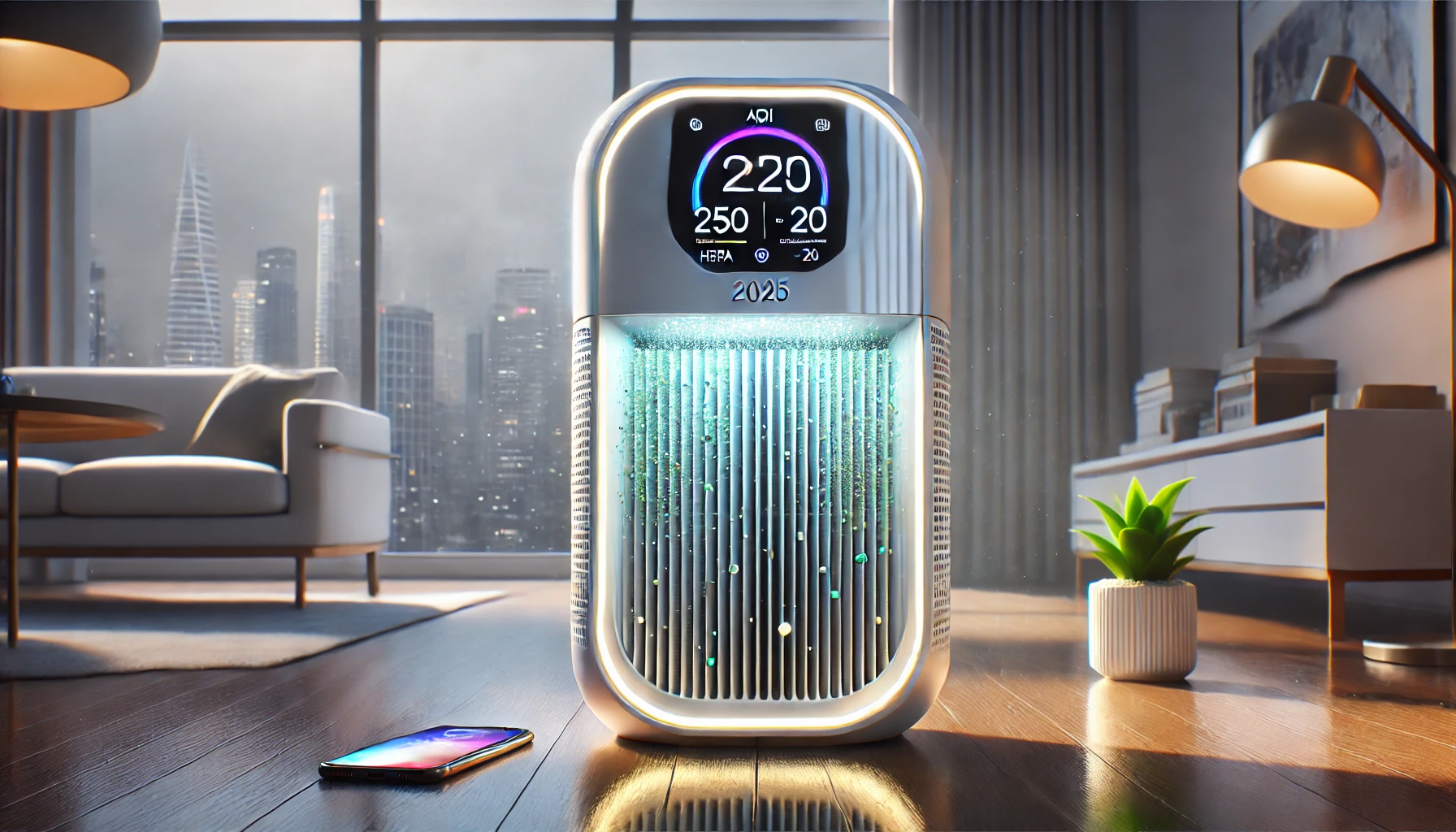
Choosing an air purifier for coastal India requires a different approach than choosing one for Delhi or Bangalore. Cities like Mumbai, Chennai, Kochi, and Kolkata present a unique challenge known as the Coastal Atmospheric Matrix.
This environment is not just dusty. It is a mix of high humidity, salty air, and dense organic particles. If you buy a standard device, it might fail within months.
Here is how you can select the Best Air Purifier for Coastal Areas in India that will survive these tough conditions.
1. Prioritize Hybrid Dehumidifier Systems
The most important fact to remember is that air purification is limited by humidity levels. When the relative humidity goes above sixty percent, mold spores can start growing on your furniture and clothes in just twenty four to forty eight hours.
Standard air purifiers cannot stop this mold growth if the air remains damp. If your room stays constantly sticky, we recommend reducing excess moisture in damp cities by using specialized equipment before it damages your home.
- Look for Hybrid Units: You should consider models like the Sharp DW series or Origin Novita. These machines use a refrigeration cycle to remove 20 to 50 liters of water per day while they filter the air.
- Laundry Mode: Many people in coastal regions use these hybrid units to dry clothes indoors during the heavy monsoon rains. This prevents the musty smell that comes from drying clothes in humid air.
2. Select the Right Filter Material
Not all HEPA filters are the same. Standard filters are often made of borosilicate glass fibers. These act like a sponge and absorb water when humidity is high. A waterlogged filter strains the motor and can become a breeding ground for mold.
- The PTFE Advantage: You should look for filters made of Polytetrafluoroethylene or PTFE. This material is hydrophobic, meaning it naturally repels water. It keeps the air flowing smoothly even when the room feels wet.
- HEPA Grade: For coastal cities, H14 grade filters are better than the standard H13 versions. They capture 99.99 percent of particles and offer better protection against tiny salt aerosols.
3. Insist on Active Remediation Technology
Passive filters only clean the air that passes directly through the machine. They cannot clean the pathogens that settle on your walls, sofa, or bed sheets.
- Plasmacluster Technology: This feature is found in Sharp models. It sends out positive and negative ions that break down the protein membranes of mold and bacteria on surfaces.
- Flash Streamer: This is a technology by Daikin. It uses high speed electrons to decompose harmful substances trapped on the filter. It is very effective against the musty odors common in damp coastal homes.
4. Factor in Salt Fog Protection
Salt is hygroscopic, which means it attracts moisture and holds it against metal surfaces. This “salt fog” can travel up to 100 miles inland and causes rust.
- Electronic Integrity: You must look for units that have sealed enclosures or special corrosion resistant coatings on their internal parts. This protects the sensitive Printed Circuit Boards and fan motors.
- Sensor Maintenance: High salt levels can fog up optical sensors. This causes “phantom” high readings where the machine thinks the air is dirty when it is actually clean. Ensure the model you choose has sensors that are easy to access for monthly cleaning.
5. Sizing and Performance Metrics
Do not choose a purifier based only on the coverage area written on the box. You need to look at the Clean Air Delivery Rate or CADR.
- Small to Medium Bedrooms: For rooms up to 250 square feet, you need a CADR of 250 to 330 cubic meters per hour.
- Large Living Rooms: For spaces larger than 500 square feet, target a CADR of 430 to 630 cubic meters per hour.
- Air Changes Per Hour (ACH): If you live near the sea or a main road, you need the air to cycle through the filter 6 to 8 times every hour to handle the constant flow of salt and dust.
Recommended Models for Coastal India
Based on these criteria, here are the top choices for 2026.
- Best Hybrid for High Humidity: Sharp DW-J20FM-W. It covers 550 square feet and features H14 HEPA filtration with Plasmacluster technology.
- Best for Large Spaces: Origin Novita ND 60. This powerful unit covers 800 square feet with a CADR of 630 cubic meters per hour.
- Best Standalone Unit: Coway AirMega 150 or 250. These are known for their mechanical durability and hydrophobic pre filters.
- Best Premium All Rounder: Philips 3000i (AC3059). It offers accurate sensors for VOCs and PM2.5, along with wide service support across the region.
Best Practices and Maintenance of Air Purifier for Coastal Areas
Living in Mumbai, Chennai, or Kochi means you deal with more than just dust. You are up against the “Coastal Atmospheric Matrix.” This is a mix of high humidity and salty air that can damage your device if you are not careful.
Finding the Best Air Purifier for Coastal Areas in India is only half the battle. You also need to know where to put it and how to take care of it.
If you place your unit incorrectly, that salty moisture can build up inside the machine. This leads to mold growth on the chassis or even internal corrosion.
Here is how you can protect your investment and keep your air fresh.
Strategic Positioning for Coastal Homes
The salt fog from the sea can travel far inland. This means you need a smart placement strategy to stop corrosion before it starts. You might consider combining your device with silent systems for fresh airflow to keep the air moving properly without letting in too much salt air.
- Give It Space: Always keep your air purifier 30 to 50 cm away from walls. This gap allows air to circulate freely. It prevents humidity from getting trapped behind the unit, which often causes mold on walls.
- Block the Salt: Keep your device away from open windows or balcony doors. Direct sea breezes carry heavy salt loads that will clog your filters faster.
- Centralize It: Do not hide the unit behind a sofa or heavy curtains. Place it in a central spot where it can pull air from all corners of the room.
- Watch the Temperature: sudden temperature changes can cause condensation inside the machine. Keep the unit in a stable environment to avoid water damage to the motor.
Rigorous Maintenance Protocols
In a dry city like Delhi, you might get away with lazy maintenance. In a coastal city, that is not an option. Salt crystals can harden on your sensors and filters, causing them to fail.
You need an accelerated schedule to handle the sticky dust found in humid regions.
- Clean the Preliminary Filter Often: Wash or vacuum the outer filter every two to four weeks. This removes sticky dust that has absorbed moisture. If you leave it, this wet dust will clog your main HEPA filter.
- Wipe Your Sensors: Optical sensors can get cloudy from salt residue. This makes the machine think the air is dirty when it is not, forcing it to run on high speed for no reason. Clean the lens every four weeks.
- Daily Tank Care: If you use a combo unit with a dehumidifier, empty and clean the water tank every single day. Standing water in a warm climate is a breeding ground for bacteria.
- Monitor Filter Life: Manufacturers might say a filter lasts a year. In coastal conditions, the heavy wet dust often fills them up in just 6 to 8 months. Be ready to swap them out sooner.
Material and Technical Best Practices
The technology inside your device matters just as much as your maintenance routine.
For high humidity areas, look for PTFE HEPA filters rather than standard fiberglass. PTFE is a material that naturally repels water. This prevents the filter from getting soggy and straining the fan motor.
You should also look for active neutralization tech like Plasmacluster or Flash Streamer. In homes where humidity stays above 60 percent, mold grows on furniture and walls where filters cannot reach. These technologies send out ions to neutralize mold spores in the air and on surfaces.
Finally, do not trust the onboard sensor blindly. Salt can cause data drift. Use a separate AQI monitor now and then to double check that your machine is actually doing its job.
Frequently Asked Questions (FAQs)
-
Is a standard air purifier enough for coastal cities?
No. Most standard HEPA filters act like sponges in high humidity. For coastal India, you need a unit that can handle 80% relative humidity without the motor straining or the filter becoming waterlogged.
-
How often should I clean my purifier near the sea?
Salt-laden dust is stickier than regular dust. You must follow the “Coastal Protocol”: clean your pre-filters every 2 weeks and wipe down your sensors every 4 weeks to prevent “phantom” air quality readings.
-
What is the benefit of a PTFE HEPA filter?
Unlike traditional fiberglass, PTFE (Polytetrafluoroethylene) is water-repellent. This ensures your purifier maintains high airflow even during the most humid months of the year.
-
Can an air purifier really protect my TV and Laptop?
Yes, but only if it removes salt fog. By trapping microscopic sodium chloride particles, these purifiers prevent the conductive film that causes short-circuiting in modern circuit boards.
-
At what humidity level does mold actually start growing?
The danger zone is 60%. Once relative humidity crosses this threshold, mold spores germinate on leather, wood, and silk in as little as 24 hours. If your purifier doesn’t lower humidity, you are just filtering the air while mold continues to grow on your walls and furniture.
-
Why do my purifier sensors show “Red” even when the room looks clean?
This is called a “Phantom Reading.” In coastal areas, sticky salt crystals accumulate on the optical sensors, tricking the machine into thinking the air is dirty. This forces the unit to run on high speed unnecessarily. Pro Tip: Clean your sensors every 4 weeks to stop this.
-
What is the difference between PTFE and Fiberglass filters?
Think of Fiberglass as a sponge and PTFE as a raincoat.
Fiberglass (Standard): Absorbs moisture, gets soggy, and blocks airflow.
PTFE (Coastal Ready): It is hydrophobic (water-repellent). It stays dry even in humid air, ensuring your machine keeps running efficiently without clogging. -
I live 10 km away from the sea. Do I still need a coastal-specific purifier?
Yes. Research shows that corrosive “salt fog” can travel up to 100 miles (160 km) inland depending on wind patterns. If you feel the humidity, your electronics are likely already exposed to salt aerosols, even if you can’t see the ocean.
Which of these coastal challenges is your biggest concern right now—mold growth or protecting your electronics? I can help you pick the specific model size for your room square footage.
Conclusion: Mastering the Coastal Atmospheric Matrix
Living in a sea-facing apartment in Mumbai or a villa in Chennai shouldn’t feel like a constant battle against nature. However, as we’ve seen, the Best Air Purifier for Coastal Areas in India is not just a gadget—it is a critical line of defense for your health and your property.
Standard purification fails because salt is “hygroscopic”—it aggressively attracts water, turning standard filters into soggy breeding grounds for bacteria. To truly protect your home, you must transition from passive filtration to an integrated system that manages moisture while neutralizing pathogens.
If you don’t control the humidity, the “Coastal Atmospheric Matrix” will eventually win. By choosing a system that combines hydrophobic PTFE filters with active ion technology, you aren’t just cleaning the air; you are “scrubbing” your environment of the corrosive elements that destroy luxury interiors and electronics.
Final Verdict: Our Top Picks for 2026
Based on technical durability, saltwater resistance, and regional serviceability, here are our winners:
- The Ultimate Coastal Choice: Sharp DW Series (DW-J20FM-W / DW-T30FM) This is the gold standard for 2026. It is a hybrid Dehumidifier-Purifier that addresses the root cause of mold. With Plasmacluster technology and a dedicated Laundry Mode, it is the only machine built to survive a Mumbai monsoon.
- The Smart All-Rounder: Philips Series 3000i If your primary goal is high-speed purification and you already have climate control, this is the benchmark. Its AeraSense technology scans the air 1,000 times a second, ensuring that even the finest salt aerosols are trapped before they settle.
- The Reliability King: Coway AirMega 150 / 250 Often called the “Toyota of air purifiers,” its mechanical simplicity is its greatest strength. The cartridge-style filters make it incredibly easy to perform the frequent maintenance required in coastal zones without getting your hands dirty.
- The Industrial Powerhouse: Origin Novita ND Series For large penthouses or sea-facing offices, you need raw power. The ND 60 can extract up to 60L of water per day, making it the most aggressive option for preventing electronic degradation in high-value spaces.
Choose wisely, keep your filters dry, and breathe easy.
Disclosure: We may earn a commission if you buy through our links—this helps us keep testing air purifiers
- To truly enhance your indoor air and temperature experience, check out our curated list of best climate control appliances in India.